Heating a warehouse or other large commercial space is different from heating a typical office or smaller building. With high ceilings, large open areas, frequently opened doors, and changing occupancy levels, maintaining a consistent temperature can be a challenge. Even when a heating system is running properly, employees on the floor may feel cold while warm air collects near the ceiling.
For businesses managing large facilities, effective warehouse heating is about more than simply adding more heat. The right equipment, airflow strategy, controls, and maintenance plan can help distribute heat where it is needed without wasting energy.
Why Heating Large Spaces Is So Difficult
One of the biggest challenges with warehouse heating is the sheer volume of air that needs to be conditioned. A warehouse with high ceilings may have several times the air volume of a conventional commercial building, which means there is more space for heated air to move through.
Large facilities also tend to have more opportunities for heat loss. Loading dock doors may open frequently, exterior doors can allow cold air inside, and poorly insulated areas can make it difficult to maintain a consistent indoor temperature.
The result can be uneven comfort throughout the building. One area may be comfortable while another remains noticeably colder, even though the heating system is operating as expected.
Understanding Heat Stratification
Heat naturally rises. In a building with high ceilings, that can become a significant issue. As heated air rises, warmer air can accumulate near the ceiling while cooler air remains closer to the floor where employees work. This phenomenon is known as heat stratification.
In a warehouse, stratification can create a frustrating cycle. The thermostat may detect a temperature that appears acceptable, so the heating system does not need to run more frequently. Meanwhile, workers at floor level may still be uncomfortable.
Instead of simply increasing the amount of heat produced, the goal should be to improve how that heat is distributed. Destratification fans and properly designed air circulation can help move warm air downward and mix the air throughout the space. This can make existing warehouse heating equipment more effective without necessarily requiring additional heating capacity.
Airflow Matters Just as Much as Heating Capacity
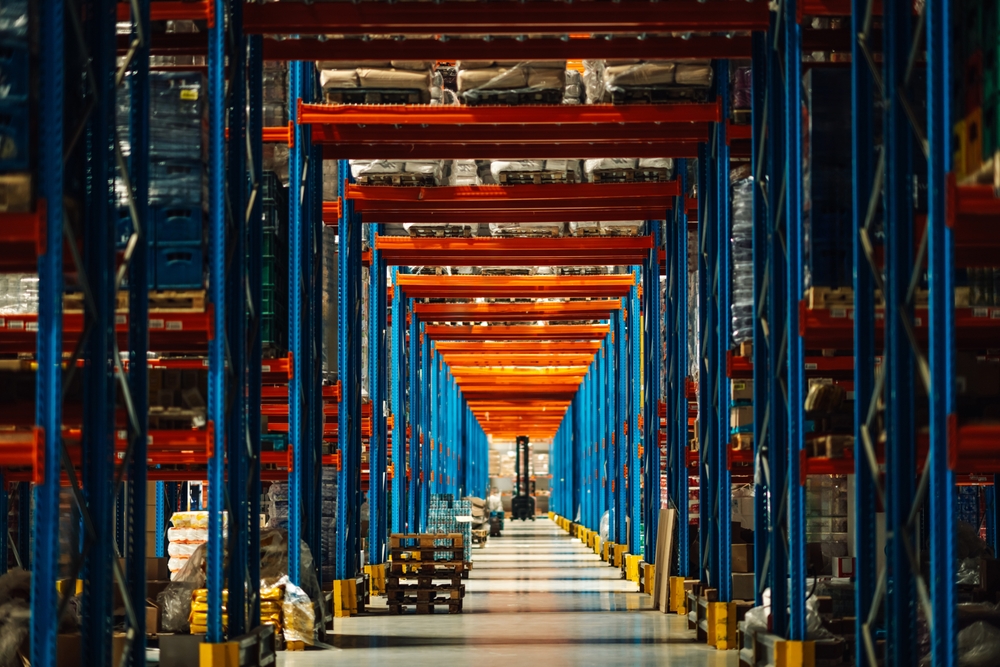
A powerful heating system cannot solve every comfort problem if the air it produces is not distributed effectively. Airflow patterns are especially important in warehouses because shelving, equipment, storage racks, production areas, and large open floor plans can all influence how conditioned air moves through the building.
HVAC professionals can evaluate the facility’s layout, ceiling height, equipment placement, ventilation requirements, and other factors to determine how air should move through the space.
This is one reason a customized approach to commercial HVAC can be more effective than simply installing larger equipment. Silver State’s commercial HVAC services are designed around the needs of individual facilities, including energy management, equipment installation, maintenance, and system optimization.
Warehouse Heating Equipment Options
There is no single heating system that works for every warehouse. The right choice depends on the building’s size, layout, climate, existing infrastructure, occupancy, and operating requirements.
Rooftop Units
Commercial rooftop units are commonly used for large facilities because they can provide both heating and cooling while keeping major equipment outside the occupied space.
For businesses considering new equipment or replacing aging systems, commercial rooftop HVAC units can provide an efficient way to manage temperature throughout a large facility.
Furnaces
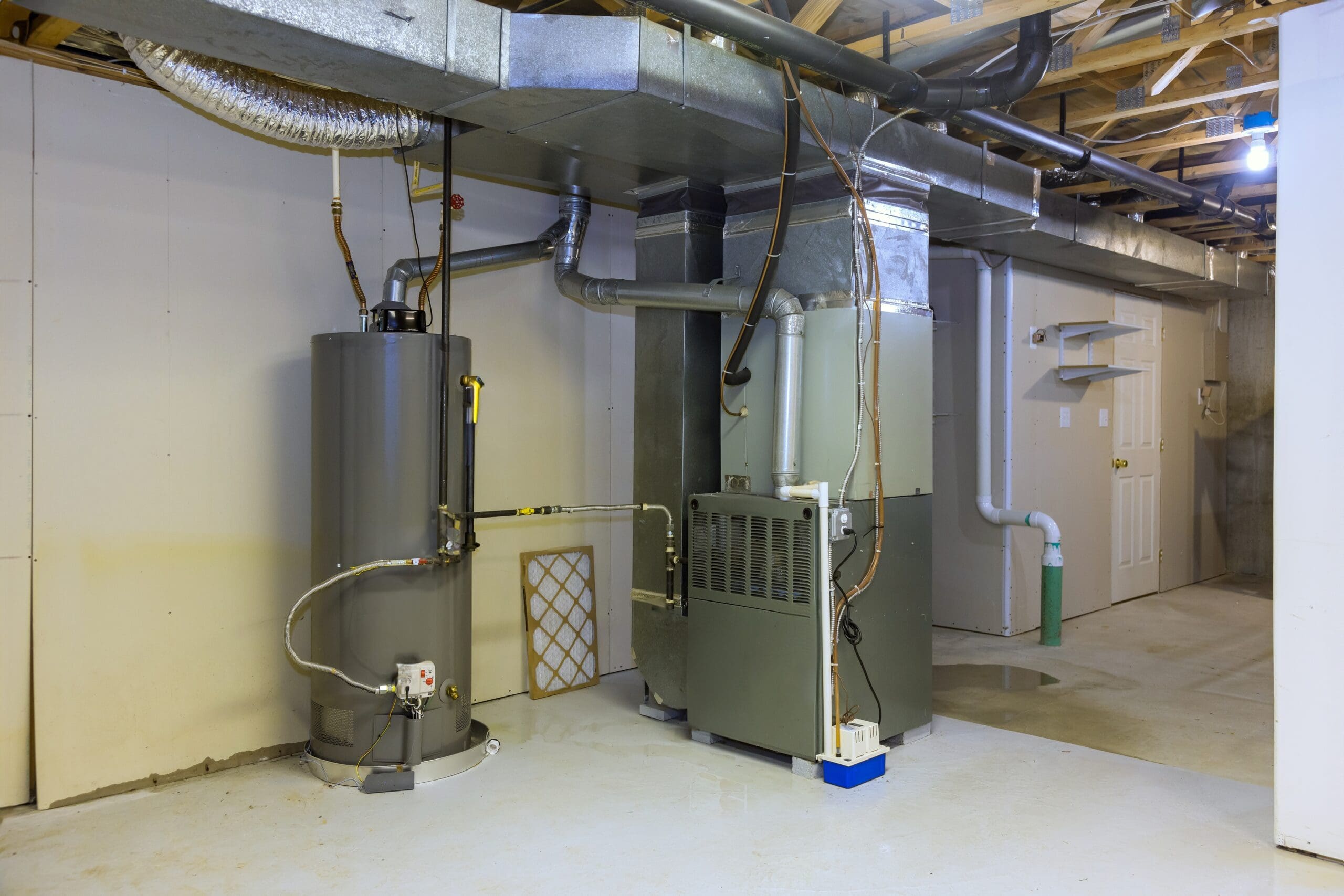
Furnaces can provide dependable heat for commercial spaces and may be part of a larger HVAC system. Proper sizing is important. An oversized system may cycle unnecessarily, while an undersized system can struggle to maintain the desired temperature.
Silver State provides commercial heating services that include heating system installation, maintenance, repairs, and replacement.
Heat Pumps
Heat pumps transfer heat rather than generating it in the same way a traditional furnace does. Depending on the facility and climate, they can provide an energy-efficient option for heating while also providing cooling capabilities.
Whether a heat pump makes sense for a particular warehouse depends on factors such as outdoor temperatures, building design, energy costs, and the existing HVAC infrastructure.
Ductless Systems and Zoned Heating
Some large facilities have areas with very different heating requirements. Offices attached to a warehouse, break rooms, production areas, and storage spaces may not need the same temperature settings.
Zoned systems can provide more targeted control, helping businesses avoid conditioning every part of a building in exactly the same way. Silver State’s commercial HVAC solutions can be evaluated based on the specific requirements of the facility.
How Controls Can Reduce Energy Waste
Keeping a warehouse comfortable does not necessarily mean running heating equipment at full capacity all day.
Modern HVAC controls can help facility teams manage temperature based on schedules, occupancy, and changing building conditions. Zoning can also help prevent businesses from heating areas that are rarely occupied.
Energy management is an important part of commercial HVAC optimization. Silver State’s approach includes energy management and optimization to help businesses address energy consumption while maintaining system performance.
The goal is to balance comfort and efficiency rather than treating them as competing priorities.
Maintenance Keeps Warehouse Heating Equipment Working Efficiently
Even a well-designed warehouse heating system can lose efficiency when equipment is neglected. Dirty components, restricted airflow, worn parts, poorly functioning controls, and other developing issues can affect system performance. Regular maintenance gives facility teams an opportunity to identify these problems before they turn into larger repairs or unexpected downtime.
A proactive maintenance program can also help extend equipment life and keep heating systems operating closer to their intended performance levels. Silver State offers commercial HVAC maintenance to help businesses keep critical systems running reliably.
Facility managers should also pay attention to changes in comfort. If certain areas of the warehouse suddenly feel colder than others, temperatures fluctuate more than usual, or the system seems to run constantly, those can be signs that the system needs professional attention.
Improving Comfort Without Simply Turning Up the Heat
When a warehouse feels cold, increasing the thermostat may seem like the obvious solution. But if the underlying issue is stratification, poor airflow, air leakage, or inadequate zoning, turning up the heat may simply increase energy consumption without solving the comfort problem.
A better approach is to look at the entire system. That may mean improving air circulation, addressing building envelope issues, adjusting controls, servicing existing equipment, or replacing outdated heating equipment with a system better suited to the facility.
Silver State’s commercial HVAC services can help businesses evaluate their heating and cooling needs and identify solutions designed around the building rather than relying on a one-size-fits-all approach.
Make Your Warehouse More Comfortable and Efficient
Effective warehouse heating requires more than enough equipment to produce heat. High ceilings, heat stratification, airflow, open doors, changing occupancy, and facility layout can all affect how comfortable a large commercial space feels.
With the right combination of equipment, airflow management, controls, and preventive maintenance, businesses can improve temperature consistency while taking steps to avoid unnecessary energy use.
If your facility struggles with uneven temperatures or rising heating costs, contact Silver State to discuss your commercial heating needs and find a solution designed for your space.