For many commercial facilities, reliable heating is essential to daily operations. From office buildings and hotels to healthcare facilities and manufacturing spaces, a commercial boiler can play an important role in maintaining comfortable indoor temperatures and supporting other building needs. When the system is working properly, it is easy to take for granted. But when maintenance is overlooked, small performance issues can turn into costly repairs, safety concerns, or unexpected downtime.
Understanding how a commercial boiler works, what routine service should include, and where efficiency improvements can make a difference and helps facility managers plan ahead. With the right approach to commercial boiler maintenance, businesses can protect their equipment, manage energy costs, and keep their facilities operating reliably throughout the heating season.
How Does a Commercial Boiler Work?
A commercial boiler heats water to provide warmth throughout a building. Depending on the system design, that heat may be distributed through radiators, baseboard units, radiant heating systems, or air handlers. Some boilers also produce steam for specialized heating or industrial processes.
Unlike a typical residential system, commercial boilers often serve larger spaces with more complex heating requirements. Their size, operating demands, and connection to other building systems make proper maintenance especially important.
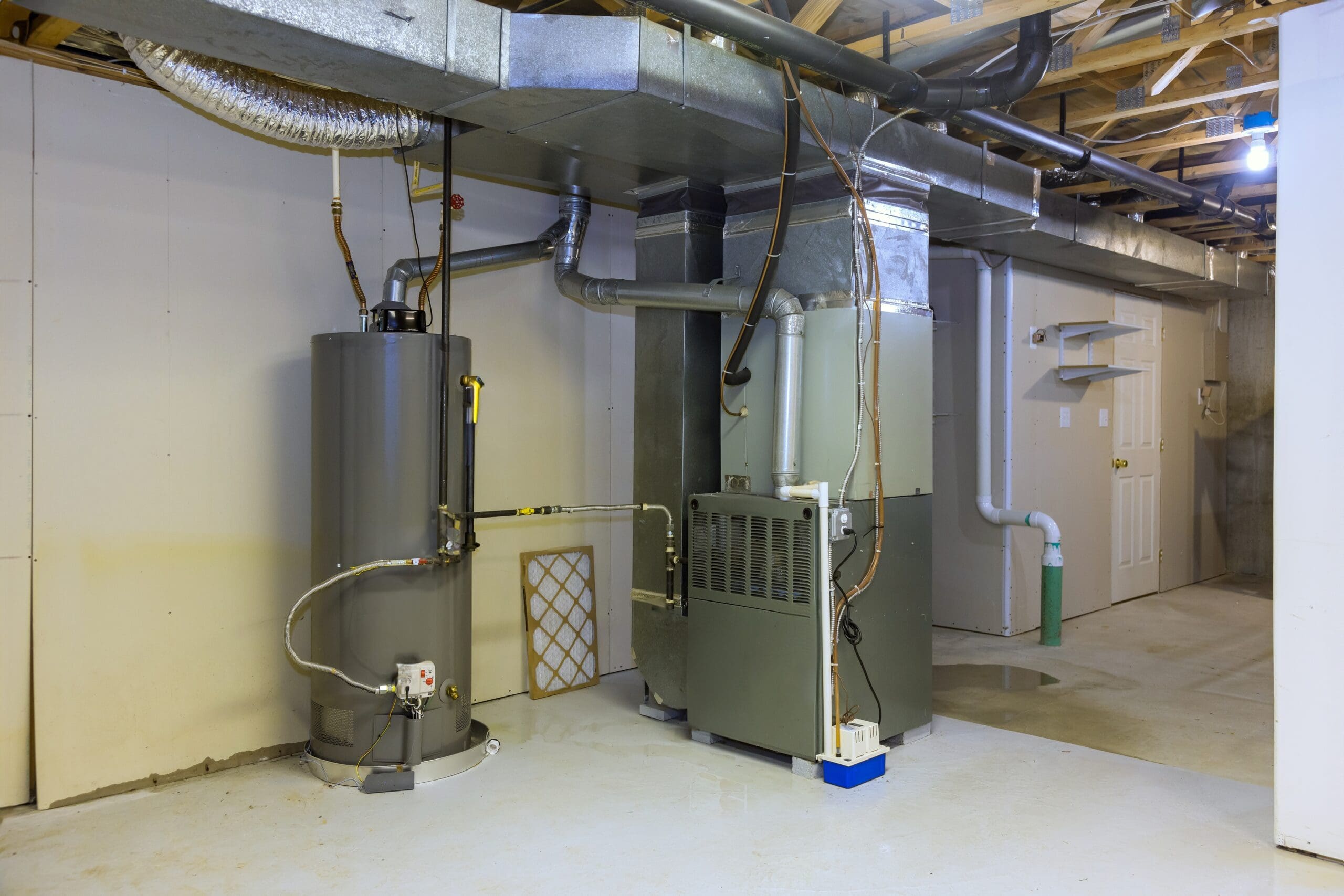
Several components work together to keep a boiler operating as intended:
- Burner: Produces heat by combusting fuel, such as natural gas, in systems designed for gas-fired operation.
- Heat exchanger: Transfers heat from the combustion process to the water or steam circulating through the system.
- Circulator pumps: Move heated water through pipes and distribution equipment in hot-water systems.
- Expansion tank: Accommodates changes in water volume as the system heats and cools.
- Controls and thermostats: Regulate system operation, monitor temperatures, and help maintain the desired indoor conditions.
- Safety devices: Components such as pressure-relief valves, low-water cutoffs, and temperature controls help protect the boiler from unsafe operating conditions.
- Flue and venting system: Directs combustion gases safely out of the building.
Not every boiler uses the same components. Steam and hot-water systems, for example, have different operating requirements. Understanding which type of equipment your facility uses is the first step toward building an effective maintenance plan.
Why Commercial Boiler Maintenance Matters
Commercial heating equipment works hard during high demand. Over time, normal wear, mineral deposits, combustion issues, and neglected components can affect performance. Without regular service, these issues may go unnoticed until the system struggles to keep up or stops working altogether.
A proactive approach to commercial boiler maintenance offers several important benefits:
Fewer Unexpected Breakdowns
Routine inspections help technicians identify worn components, leaks, unusual operating conditions, and other developing problems before they lead to major failures. Addressing these issues early can reduce the likelihood of emergency repairs during the coldest months of the year.
For facilities that depend on consistent indoor temperatures, preventing an unexpected heating interruption can also help minimize disruptions for employees, tenants, customers, and building occupants.
Better Energy Efficiency
A boiler that is not operating correctly may use more fuel to produce the same amount of heat. Dirty heat-transfer surfaces, poorly adjusted combustion settings, faulty controls, and other problems can contribute to unnecessary energy consumption.
Professional maintenance helps identify performance issues and determine whether adjustments or repairs could improve efficiency. Pairing routine service with broader commercial heating and cooling solutions can also help facilities evaluate their heating equipment as part of the building’s overall energy strategy.
Longer Equipment Life
Commercial boilers represent a significant investment. Keeping components clean, monitoring operating conditions, and correcting minor problems can help limit avoidable wear and support reliable performance over time.
Maintenance cannot prevent every equipment failure, but it can give facility managers a clearer picture of equipment condition and help them make informed decisions about repairs, upgrades, and eventual replacement.
What Should an Annual Boiler Service Include?
Annual professional service is an important starting point for most commercial boiler maintenance programs. However, the appropriate service frequency depends on the boiler manufacturer’s recommendations, system design, operating hours, fuel type, local requirements, and the conditions in which the equipment operates. Some facilities need more frequent inspections or scheduled checks throughout the year.
A qualified technician can tailor a service plan to the equipment and the building’s needs.
1. Inspect and Clean Key Components
Over time, dirt, debris, scale, and other deposits can interfere with boiler performance. A service visit may include inspecting and cleaning accessible components, evaluating heat-transfer surfaces, and checking burners for buildup or signs of deterioration.
The technician should also look for corrosion, leaks, unusual wear, and other conditions that could affect reliability. Cleaning and repair procedures should follow the equipment manufacturer’s instructions and applicable safety requirements.
2. Check Combustion and Venting
For fuel-fired boilers, proper combustion is essential for safe and efficient operation. Technicians can evaluate combustion performance, check fuel supply conditions, and inspect the flue and venting system for damage, obstructions, or signs of improper exhaust flow.
Combustion testing can help identify conditions that may contribute to wasted fuel or unsafe operation. Venting problems and potential carbon monoxide hazards require prompt attention.
3. Evaluate Water Quality and Pressure
Water quality can have a significant effect on boiler performance. Mineral buildup, corrosion, and improper water treatment may reduce heat transfer and damage internal components. Depending on the system, maintenance may include checking water chemistry, inspecting for leaks, and evaluating pressure and water levels.
Steam boilers may require additional attention to feedwater, condensate return, and low-water protection. Hot-water boilers have their own requirements for circulation, expansion, and pressure control.
4. Test Controls and Safety Devices
Safety controls are among the most important parts of any commercial boiler. A maintenance visit should include checking the operation of applicable temperature and pressure controls, low-water cutoffs, and pressure-relief devices according to manufacturer instructions and applicable codes.
Technicians should also evaluate ignition and shutdown sequences, electrical connections, and other controls relevant to the specific equipment.
These checks help confirm that the boiler can respond appropriately to changing conditions and shut down when required. Safety devices should never be bypassed or adjusted by unqualified personnel.
5. Document Findings and Recommended Repairs
A thorough maintenance visit should leave facility managers with a clear understanding of the boiler’s condition. Service records should identify completed work, test results where applicable, observed issues, and recommended repairs or follow-up inspections.
Keeping these records makes it easier to track recurring problems, plan maintenance budgets, and demonstrate that the facility is following an established equipment-care process.
Commercial Boiler Safety: What Facilities Should Monitor
Annual service is important, but safety requires attention throughout the year. Facility teams should know the warning signs that indicate a boiler needs professional evaluation.
Watch for:
- Unusual noises: Banging, whistling, rumbling, or other new sounds may indicate circulation issues, scale buildup, or mechanical problems.
- Water leaks or visible corrosion: Moisture around the boiler, piping, or valves can point to failing connections or deteriorating components.
- Pressure or temperature fluctuations: Readings outside the manufacturer’s specified operating range may signal a control, circulation, or system issue.
- Inconsistent heating: Rooms that remain cold or temperatures that fluctuate significantly may indicate a boiler or distribution problem.
- Frequent cycling or shutdowns: Repeated starts and stops or recurring safety lockouts warrant professional diagnosis.
- Unusual odors or combustion concerns: A suspected gas leak or carbon monoxide hazard requires immediate action.
If a carbon monoxide alarm activates, occupants experience symptoms that could indicate exposure, or a gas leak is suspected, leave the affected area and contact emergency services or the appropriate utility from a safe location. Do not attempt to troubleshoot potentially hazardous conditions yourself.
Facility staff should also know how to report equipment problems and who to contact when a boiler requires service. Establishing clear procedures helps prevent warning signs from being ignored or passed over during a busy workday.
For facilities that rely on multiple mechanical systems, a coordinated commercial HVAC service and maintenance plan can help organize inspections, repairs, and preventive care across the building.
How to Improve Commercial Boiler Efficiency
Maintenance is an important part of improving boiler efficiency, but it is not the only consideration. Equipment settings, building demands, and the condition of the heating distribution system can all affect how much energy a facility uses.
Review Temperature Settings and Controls
Boilers should operate at temperatures appropriate for the system and its heating requirements. When controls are poorly calibrated, or settings do not match actual building needs, the equipment may use more energy than necessary.
A qualified technician can review control settings and determine whether adjustments, outdoor-temperature-based controls, or improved scheduling could help reduce unnecessary operation. Any changes should remain within the manufacturer’s specifications and the system’s design limits.
Address Heat Loss Throughout the Building
A boiler cannot compensate efficiently for every building-envelope problem. Drafty entrances, poorly insulated piping, air leaks, and inadequate insulation can increase heating demand and make indoor temperatures harder to maintain.
Facilities can review insulation around accessible heating pipes, identify areas where heat escapes, and evaluate building conditions that contribute to unnecessary energy use. For large buildings, improvements to airflow and temperature distribution may also help occupants stay comfortable without continually raising thermostat settings.
Evaluate Pumps and Distribution Equipment
In hot-water systems, circulator pumps and distribution piping affect how effectively heat reaches the areas that need it. Poor circulation, unbalanced distribution, or failing components may result in uneven temperatures and wasted energy.
Depending on the system, a technician may recommend pump repairs, improved controls, balancing, or other upgrades. These changes should be evaluated in the context of the boiler and the broader heating system rather than as isolated equipment improvements.
Consider Upgrades When Equipment Ages
Older boilers may lack the controls and efficiency features available in newer equipment. If a system requires frequent repairs, struggles to meet heating demand, or consumes more energy than expected, it may be time to compare the cost of continued maintenance with the benefits of an upgrade.
A replacement decision should consider more than the equipment’s age. Fuel costs, operating hours, heating loads, installation requirements, expected service life, and the building’s future needs all play a role.
Silver State’s commercial HVAC services can help facility managers assess their heating needs and consider practical options for improving system performance.
Build a Preventive Maintenance Plan for Your Facility
The most effective commercial boiler maintenance strategy is one that fits the building’s actual operating requirements. Rather than waiting for a problem to arise, facility managers can establish a schedule that combines annual professional service with routine monitoring and clear documentation.
A practical plan may include:
- Scheduling professional boiler service before the heating season whenever possible.
- Following manufacturer guidance for inspection intervals and component servicing.
- Monitoring pressure, temperature, and other operating indicators according to established procedures.
- Training staff to recognize warning signs and report changes in performance.
- Tracking service records, repair history, and recurring equipment issues.
- Planning for repairs, component replacements, and long-term equipment upgrades.
- Coordinating boiler care with other preventive maintenance activities across the facility.
For buildings with high heating demand or critical temperature requirements, more frequent inspections may be appropriate. A qualified service provider can help determine which checks should occur daily, monthly, seasonally, or annually.
A well-organized plan helps facilities move from reactive repairs to more predictable equipment management. It also makes it easier to prioritize spending, reduce avoidable downtime, and keep heating systems aligned with operational needs.
Keep Your Commercial Heating System Running Reliably
A commercial boiler is an important part of a facility’s infrastructure, and its performance affects more than indoor comfort. Regular service helps identify developing problems, safety inspections support responsible operation, and efficiency improvements can help control energy costs. By understanding the system and planning maintenance before problems arise, facility managers can make more confident decisions about their equipment.
If your facility needs help evaluating its heating equipment, scheduling preventive service, or planning an efficiency upgrade, contact Silver State to discuss your commercial HVAC needs. Our team can help you explore service options designed to support reliable operation, efficient performance, and the demands of your business.