Ice inside a commercial freezer isn’t always a sign that something is wrong. Refrigeration systems naturally collect moisture on their evaporator coils, and some frost formation is expected during normal operation. That’s why many systems periodically enter a defrost cycle to remove accumulated ice and keep air moving properly across the coil.
Problems begin when the refrigeration defrost cycle doesn’t happen when it should, runs for too long, or fails to remove enough ice. What starts as a thin layer of frost can eventually restrict airflow, interfere with cooling, and contribute to noticeable temperature swings inside the unit.
For restaurants, grocery stores, convenience stores, and other businesses that depend on commercial refrigeration, understanding what happens during defrost can make it easier to distinguish normal operation from an equipment problem that needs attention.
Why Refrigeration Systems Need to Defrost
The evaporator coil inside a refrigeration system operates at a low temperature. As air moves across that coil, moisture in the air can condense and freeze on its surface. A small amount of frost is normal. The problem is what happens if that frost is allowed to continue accumulating.
A thick layer of ice can act as insulation around the evaporator coil while also restricting airflow through it. The refrigeration system then has a harder time transferring heat and maintaining consistent temperatures. The defrost cycle periodically removes that accumulation so the evaporator can continue doing its job efficiently.
Not Every Refrigeration Defrost Cycle Works the Same Way
The appropriate defrost method depends on the equipment and its operating temperatures. Commercial refrigeration systems generally use a few different approaches. Off-cycle defrost temporarily stops refrigeration and allows the evaporator temperature to rise naturally enough for frost to melt. This method is commonly associated with applications where the evaporator can warm above freezing during the off period.
Electric defrost uses electric heaters positioned around the evaporator coil. During defrost, refrigeration stops and the heaters warm the coil enough to melt accumulated ice. This approach is commonly used in freezer applications where simply shutting off refrigeration wouldn’t provide enough heat to clear the coil.
Hot gas defrost redirects hot refrigerant gas through part of the system to warm the evaporator and melt frost. It’s often found in larger or more complex commercial refrigeration applications. Regardless of the method, the objective is the same: remove enough frost to restore proper heat transfer and airflow without unnecessarily warming the refrigerated space.
What Does a Normal Defrost Cycle Look Like?
Because the evaporator temporarily stops actively cooling during the cycle, sensors may register some change in temperature. The important question is what happens afterward. Once defrost is complete, the system should return to normal refrigeration operation and pull the temperature back toward its usual range. The evaporator should be largely free of problematic ice, airflow should remain strong, and temperatures should stabilize.
This is why refrigeration temperature monitoring is so valuable. Looking at temperature trends over time makes it easier to distinguish a predictable defrost-related fluctuation from a larger temperature problem. A consistent pattern that occurs around scheduled defrost periods may be normal. Large, prolonged, or increasingly frequent temperature swings deserve closer attention.
When Ice Buildup Signals a Problem
A heavily iced evaporator is one of the clearest indications that something isn’t working as intended. If the defrost cycle doesn’t start, doesn’t last long enough, or doesn’t generate enough heat, some ice may remain on the coil after each cycle. That remaining ice becomes the starting point for the next layer of buildup. Eventually, the evaporator can become packed with ice.
At that point, airflow may drop significantly. Fans can struggle to move air through the coil, temperatures may rise, and the refrigeration system may run longer as it attempts to compensate. Regular preventive maintenance for commercial refrigeration units can help catch developing problems with coils, fans, controls, drains, seals, and other components before they contribute to major temperature-control issues.
What Causes a Defrost Cycle to Fail?
Modern systems rely on several controls and mechanical parts to start, manage, and end the cycle correctly.
Depending on the equipment, potential trouble spots can include:
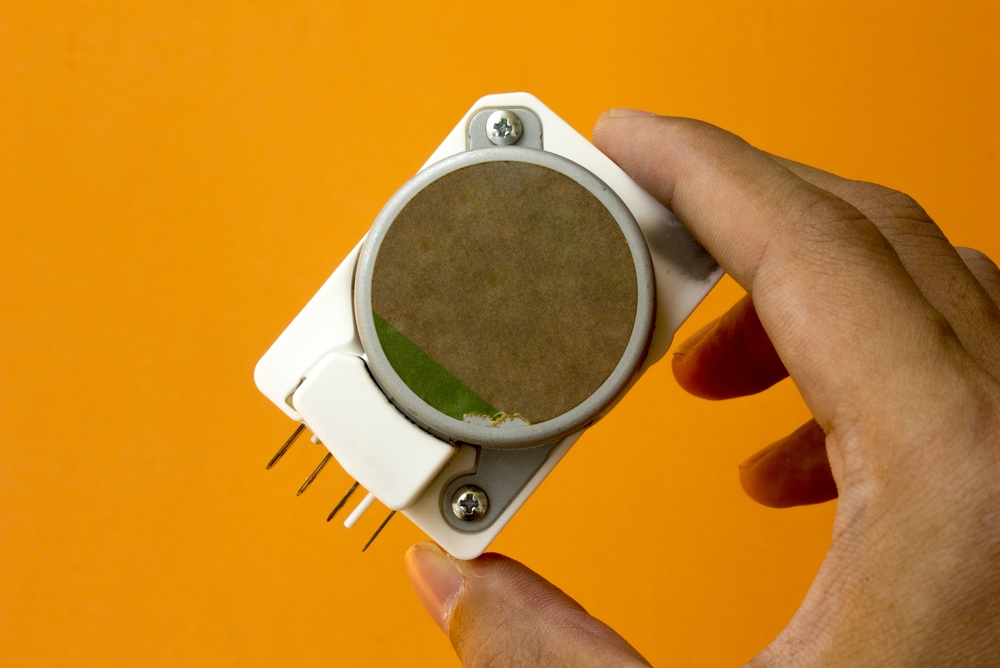
- Failed defrost heaters, malfunctioning timers or control boards, inaccurate temperature sensors, faulty termination controls, fan problems, or blocked defrost drains.
- Door or gasket problems that allow excessive warm, humid air into the refrigerated space, creating more frost than the defrost system was designed to handle.
Settings can cause problems as well. A system that doesn’t defrost frequently enough may allow excessive frost to accumulate between cycles. On the other hand, overly frequent or unnecessarily long defrost cycles can contribute to temperature instability and additional energy use. The correct settings depend on the equipment, operating environment, manufacturer specifications, and how the refrigeration system is being used.
A Defrost Problem Can Look Like a Cooling Problem
One reason defrost issues can be difficult to diagnose is that the symptoms often resemble other refrigeration failures. Imagine a walk-in freezer with a heavily iced evaporator. The compressor may still be operating, but airflow through the coil has become severely restricted. Product temperatures begin rising, so it appears that the system simply isn’t producing enough cooling.
The actual problem may have started hours or even days earlier with a failed defrost component. The opposite can happen too. A refrigeration problem unrelated to defrost can cause icing that makes it appear as though the defrost system has failed. That’s why melting the ice isn’t necessarily a repair. The underlying reason the ice formed needs to be identified before the equipment returns to normal operation.
Pay Attention to Repeated Temperature Swings
A predictable increase associated with normal defrost followed by a quick return to the normal operating range is very different from temperatures that remain elevated long after the cycle ends. Repeated or unusual temperature fluctuations may point to a defrost issue, but they can also indicate door problems, poor airflow, dirty coils, control issues, or another mechanical problem.
Keeping a refrigeration temperature log gives facility and kitchen teams a clearer picture of what’s happening throughout the day rather than relying on a single temperature reading. That historical information can also be useful when a technician is troubleshooting an intermittent problem.
Don’t Forget About Defrost Drainage
During a successful refrigeration defrost cycle, melted frost travels through a drain system and away from the evaporator. If that drain becomes clogged or freezes, water may remain inside the unit and eventually refreeze. That can create ice beneath the evaporator, around drain pans, or on the floor of a walk-in cooler or freezer. Repeated ice around the drain area shouldn’t just be chipped away and forgotten. The drainage problem needs to be addressed or the ice is likely to return.
When Is It Time for Professional Refrigeration Service?
Some refrigeration checks can be handled by facility or kitchen staff. Teams can monitor temperatures, inspect door gaskets, watch for unusual ice formation, and keep areas around equipment clean and unobstructed. Troubleshooting the defrost system itself is different.
Testing heaters, sensors, controls, refrigerant circuits, and electrical components requires the appropriate training and tools. Changing defrost settings without understanding why ice is forming can also create a different problem instead of solving the original one.
If ice repeatedly returns after being removed, temperatures are becoming increasingly unstable, or the system struggles to recover after defrost, professional diagnosis is the safer approach. For older equipment experiencing recurring refrigeration problems, it may also be worth considering whether continued repairs make sense or whether it’s time to repair or replace the commercial refrigeration system.
Keep Ice Buildup From Turning Into Product Loss
A properly functioning refrigeration defrost cycle works quietly in the background. Frost forms, the system removes it, temperatures recover, and the refrigeration equipment continues operating normally. When that process breaks down, however, ice can quickly become more than a maintenance nuisance. Restricted airflow and unstable temperatures can put inventory at risk and place additional strain on critical equipment. Consistent temperature monitoring, routine maintenance, and attention to unusual ice buildup can help catch defrost problems before they escalate into downtime or product loss.
If your walk-in cooler, freezer, display case, or other commercial refrigeration equipment is icing up or struggling to maintain temperature, contact Silver State Refrigeration, HVAC & Plumbing. Our commercial refrigeration technicians can diagnose defrost, airflow, control, and mechanical issues and help get your system back to reliable operation.