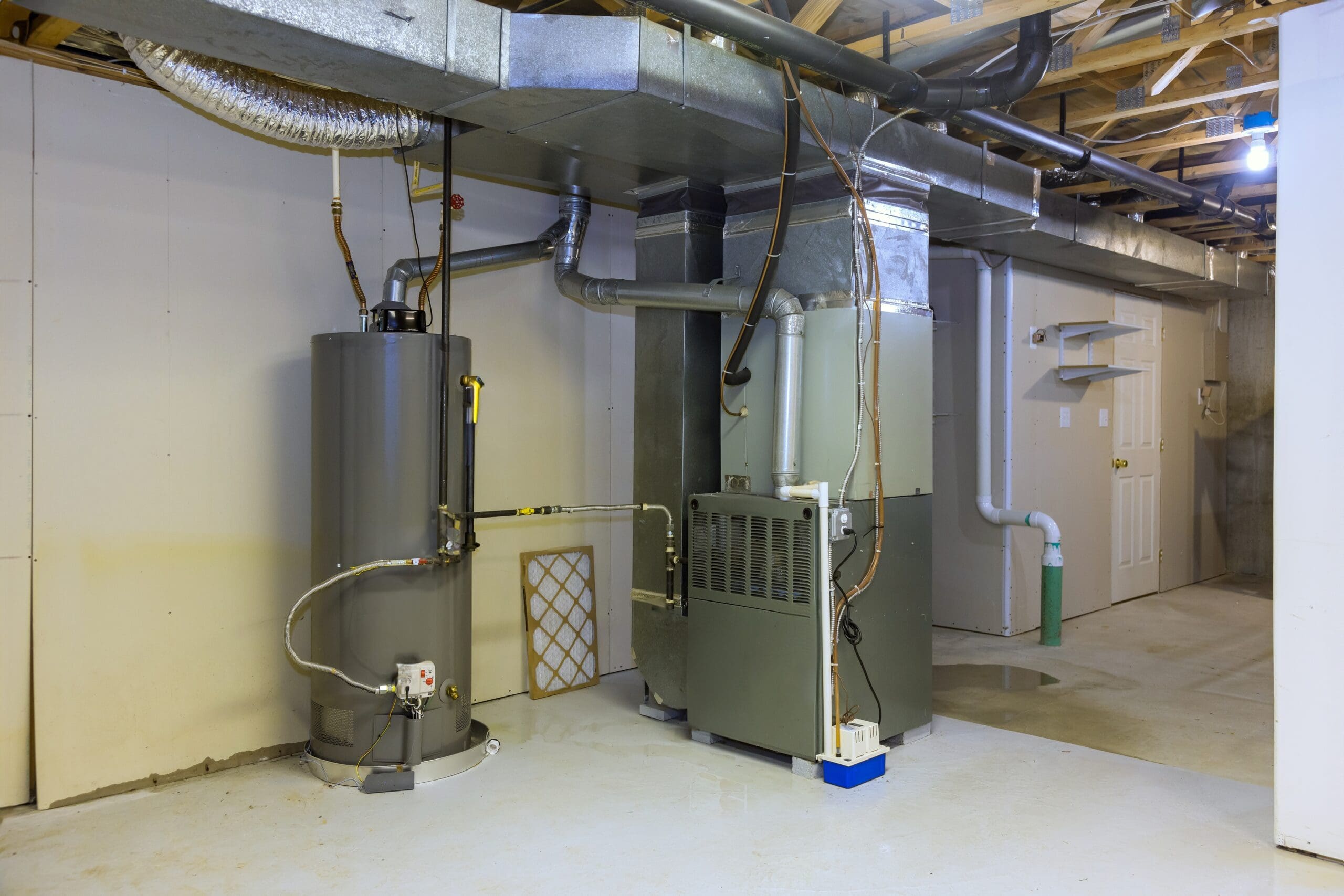
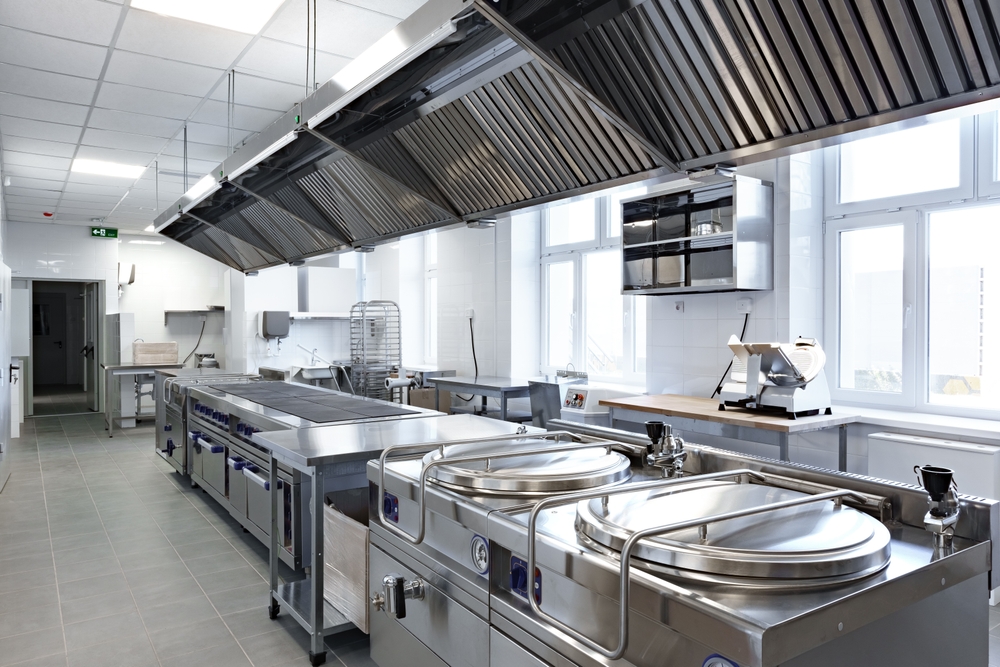
Restaurant kitchens depend on a complicated network of equipment working together behind the scenes. Commercial dishwashers need reliable water supply and drainage. Ice machines require properly planned water connections. Sinks, floor drains, grease interceptors, and water heaters all need to keep up with heavy daily demand. Depending on the equipment, gas, electrical, ventilation, and other utility connections may also come into play.
That makes commercial plumbing installation an important part of any restaurant build-out, renovation, or equipment upgrade. Getting the connections right isn’tjust about making sure the equipment turns on. Plumbing and utility requirements need to be considered alongside equipment specifications, sanitation needs, accessibility for future maintenance, and applicable local codes.
Whether you’re opening a restaurant or replacing equipment in an existing kitchen, careful planning helps prevent leaks, drainage problems, failed inspections, and unexpected downtime later.
Start With the Equipment Requirements
Before plumbing work begins, installers should know exactly which equipment will occupy each location. Manufacturer specifications can determine water supply requirements, drain locations, pressure needs, temperatures, clearances, and other installation details.
Changing equipment after the plumbing rough-in has already been completed can create complications. Connections may need to be moved, drains may no longer line up, or the new equipment may require utilities that weren’t included in the original plan. That’s why commercial plumbing should be coordinated with the kitchen layout and equipment selection as early as possible.
Commercial Dishwashers Need More Than a Water Connection
Depending on the equipment, installers may need to account for hot water demand, supply-line sizing, drainage, backflow protection, and other requirements. Some commercial dishwashers also rely on high-temperature sanitizing, making sufficient hot water especially important.
Drainage deserves just as much attention as the incoming water supply. Poorly planned drainage can contribute to slow discharge, backups, standing water, or other sanitation concerns.
Commercial dishwashers are also part of the broader collection of commercial kitchen hot-side equipment that needs to be installed with equipment specifications and applicable safety requirements in mind. Coordinating those needs during installation can prevent costly changes after the kitchen is already operating.
Ice Machines Require Careful Water and Drain Planning
The incoming water supply needs to support the manufacturer’s requirements, and the equipment needs an appropriate drainage arrangement. Water quality can also affect scale buildup and equipment performance, making filtration an important consideration for many installations.
Drain placement is particularly important. Improvised drain connections or poorly positioned equipment can create sanitation issues and make future cleaning or servicing more difficult. Ice machines are part of a restaurant’s larger commercial refrigeration system, so plumbing connections should be considered alongside refrigeration, electrical, and equipment-access requirements rather than handled as an afterthought.
Cooking Equipment May Add Gas and Ventilation Requirements
Not every piece of restaurant equipment requires a water connection. Ovens, ranges, fryers, griddles, steamers, and other cooking equipment can introduce additional utility and safety considerations. Gas-fired appliances need properly sized and installed gas connections, accessible shutoffs, and installation that follows applicable codes and manufacturer requirements. Equipment placement also has to work with ventilation and fire-safety systems.
Commercial kitchens generate substantial amounts of heat, grease, smoke, and moisture, making proper commercial kitchen ventilation another important part of equipment planning. This is one reason kitchen installations require coordination between trades. Plumbing, gas, electrical, HVAC, ventilation, refrigeration, and equipment installation can overlap. Decisions made by one contractor can affect what another needs to complete the job safely and correctly.
Don’t Overlook Drainage and Grease Management
Food particles, fats, oils, and grease can enter the drainage system throughout the day. Without properly designed drains and grease-management systems, that material can contribute to slow drains, backups, odors, and larger sewer problems.
Grease interceptors or traps may be required depending on the facility, equipment, and local requirements. Their capacity, placement, accessibility, and connection to the drainage system all need to be considered during the planning process.
Installation is only the beginning. Consistent commercial grease trap maintenance helps keep fats, oils, grease, and food solids from accumulating to the point that they restrict wastewater flow. Floor sinks and floor drains also need to be located where they can properly serve equipment while remaining accessible for cleaning and maintenance.
Backflow Protection Matters in Commercial Kitchens
Restaurants use equipment that connects directly to the building’s potable water supply, which makes protecting that supply an important part of commercial plumbing installation. Depending on the fixture or equipment, appropriate backflow protection may be necessary to prevent contaminated water from flowing in the wrong direction and entering the clean water supply.
Backflow requirements vary based on the type of connection and local regulations, so protection should be planned as part of the installation, rather than addressed only when an inspection identifies a problem. For restaurants and other businesses, backflow prevention should also remain part of ongoing plumbing maintenance after installation is complete.
Plan for Maintenance Before Equipment Is Installed
One of the easiest mistakes to make during a restaurant build-out is focusing entirely on fitting equipment into the available space. Eventually, that equipment will need to be cleaned, inspected, repaired, or replaced. Shutoff valves, drains, filters, connections, and other service points should remain reasonably accessible.
If technicians have to move several pieces of equipment or dismantle surrounding components to reach a valve or drain, routine maintenance becomes more difficult and disruptive. Planning for service access during installation can save significant time later, especially in kitchens where taking a critical appliance offline affects restaurant operations.
Renovating an Existing Restaurant Adds Another Challenge
Restaurant renovations and tenant improvements often require connecting new equipment to existing plumbing infrastructure. Before assuming the existing system can handle the new layout, it’s important to evaluate pipe sizes, water pressure, drainage capacity, water heating demand, existing gas service, and the condition of the plumbing that’s already in place.
Adding a larger dishwasher, additional sinks, or new kitchen equipment can change the demands placed on the building. Careful planning is particularly important during commercial plumbing for new construction and tenant improvements, where supply and waste lines, equipment rough-ins, backflow systems, grease interceptors, and other infrastructure need to be coordinated with the rest of the project.
Code Compliance Should Be Part of the Plan From Day One
Commercial kitchen requirements can involve plumbing, mechanical, fuel-gas, fire-safety, health, and accessibility rules, with the exact requirements depending on the equipment and local jurisdiction. Code requirements should be considered throughout the project.
Equipment specifications should be reviewed before installation, required permits and inspections should be identified, and plumbing work should be coordinated with the other trades involved in the kitchen. A well-planned commercial plumbing infrastructure accounts for water demand, drainage, pressure, backflow protection, and the property’s specific use before those factors become expensive problems later.
Get Restaurant Kitchen Connections Right the First Time
Commercial kitchen equipment works hard, and the plumbing supporting it needs to be designed for the same level of demand. Dishwashers, ice machines, sinks, drains, grease interceptors, water heaters, and cooking equipment each bring different requirements that need to work together safely and reliably.
Planning those connections before installation helps restaurants avoid leaks, backups, equipment problems, inspection delays, and modifications after the kitchen is already operational.
If you’re building a restaurant, renovating a commercial kitchen, or installing new equipment, contact Silver State Refrigeration, HVAC & Plumbing. Our commercial team can help coordinate plumbing and kitchen equipment needs so your facility is ready for reliable day-to-day operation.