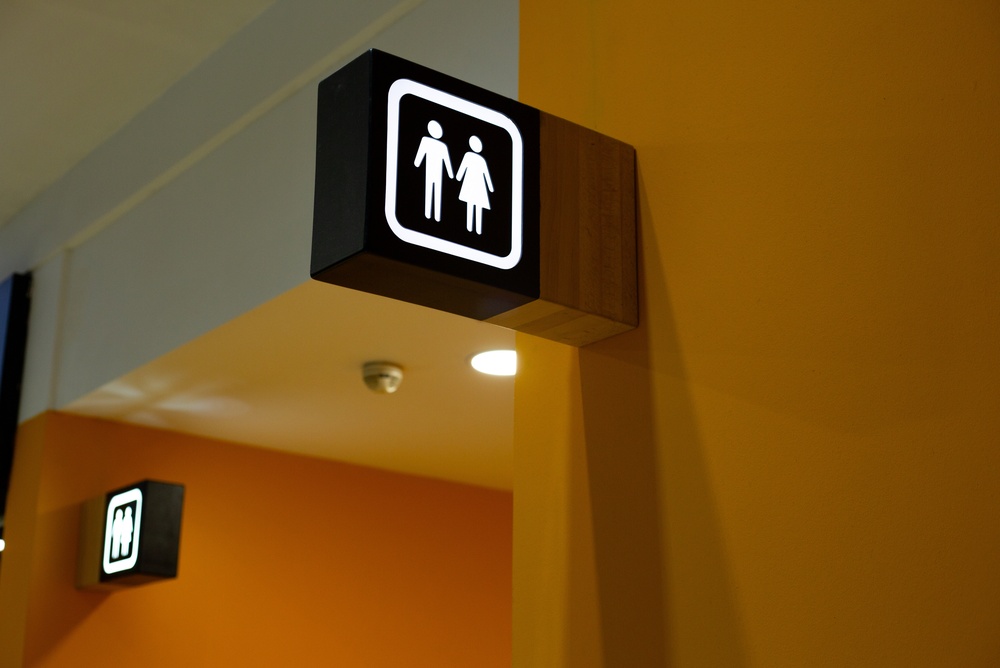
Restrooms in office buildings, retail centers, schools, healthcare facilities, restaurants, government buildings, and other busy commercial properties take a beating. A toilet or faucet in a home may be used a handful of times each day. The same fixture in a high-traffic building could see dozens or even hundreds of uses.
That increased demand makes commercial restroom plumbing especially vulnerable to clogs, worn components, sensor problems, leaks, and other failures. And when something goes wrong, it doesn’t just create an inconvenience. An out-of-service restroom can generate tenant complaints, create sanitation concerns, and lead to emergency plumbing calls that disrupt normal operations. Fortunately, many of the most common problems can be reduced with appropriate fixture selection, routine inspections, and a proactive maintenance plan.
High Traffic Changes the Plumbing Equation
Commercial plumbing fixtures and components need to withstand heavier and more frequent usage than residential bathrooms. That means durability matters when selecting toilets, urinals, faucets, flush valves, and other restroom components. Equipment that isn’t appropriate for the building’s usage can wear prematurely, resulting in more repairs and downtime.
Facility teams should also consider how easily fixtures can be maintained. A lower initial purchase price doesn’t necessarily mean lower long-term operating costs if a fixture frequently requires replacement parts or service. For new construction, renovations, and tenant improvements, selecting commercial-grade fixtures that match expected traffic can help prevent headaches after the building is occupied.
Stay Ahead of Clogged Toilets and Drains
Clogs are among the most common restroom plumbing problems, particularly in heavily used facilities. Paper products, excessive toilet paper, hygiene products, and other materials can enter drain lines throughout the day. Over time, buildup inside shared plumbing lines can also restrict flow and make backups more likely.
Repeatedly clearing the same toilet or drain shouldn’t become part of normal facility maintenance. If one fixture continually backs up, or several fixtures begin draining slowly at the same time, there may be a larger obstruction farther down the line. Professional drain cleaning can address the underlying blockage, instead of relying on temporary fixes that allow the problem to return.
Watch Flush Valves for Early Warning Signs
Flush valves experience significant wear in busy commercial restrooms. A valve that begins sticking, running continuously, flushing weakly, or leaking should be inspected before it fails completely.
A constantly running toilet or urinal can also waste a surprising amount of water over time. When dozens of fixtures are spread across a large property, even relatively small plumbing problems can contribute to higher operating costs.
Facility teams should include flush valves in routine restroom inspections. Listen for fixtures that continue running after use and watch for inconsistent flush performance. Addressing worn components early is generally much easier than responding after the fixture becomes unusable.
Don’t Ignore Touchless Fixture and Sensor Problems
Touchless faucets, toilets, and urinals have become common in commercial buildings because they reduce contact points and make restrooms easier for occupants to use. However, adding electronic controls also creates additional components that need maintenance.
Sensor alignment, batteries, power supplies, solenoid valves, and controls can all affect operation. A faucet that won’t turn on, a toilet that flushes repeatedly, or a fixture that activates unexpectedly may have a sensor or control issue rather than a traditional plumbing failure. Regularly testing touchless fixtures allows facility teams to catch unreliable operation before occupants begin reporting it.
Pay Attention to Water Pressure
Water pressure can have a major effect on restroom fixture performance. Pressure that’s too low may result in weak flushing or poor faucet performance. Excessive pressure, meanwhile, can place additional stress on valves, supply lines, fittings, and fixtures.
If water pressure problems are appearing across multiple restrooms, the issue may extend beyond an individual fixture. A commercial plumber can evaluate pressure throughout the building and determine whether regulators, valves, piping, or other system components require attention. This is particularly important in larger or multi-story buildings where maintaining consistent water pressure can be more challenging.
Small Leaks Can Become Large Expenses
A dripping faucet or slowly leaking toilet may not seem like an emergency, but small leaks shouldn’t be ignored in a commercial property. Beyond wasting water, leaks can damage flooring, walls, ceilings, and surrounding building materials if they develop in concealed areas. A small issue can become significantly more expensive if moisture spreads before anyone notices it.
Restroom inspections should include checking around toilets, beneath sinks, around supply connections, and near floor drains for signs of moisture. Unexplained increases in water usage can also indicate a leak somewhere in the building.
Make Restroom Inspections Part of Routine Maintenance
The easiest plumbing emergency to handle is the one that never happens. Facility teams don’t need to perform complicated plumbing diagnostics every day. A quick visual inspection can reveal many developing issues long before they require an emergency call. During routine restroom walkthroughs, look for:
- Slow drains, weak flushes, running fixtures, leaks, unusual odors, unreliable sensors, damaged fixtures, and changes in water pressure.
- Recurring problems in the same location or similar failures appearing across multiple restrooms.
Keeping records of repeated problems can be especially valuable. If the same toilet, drain, or valve requires frequent repairs, replacing or upgrading the component may ultimately cost less than continuing to service it.
Preventative Commercial Plumbing Helps Reduce Callouts
Preventative commercial plumbing maintenance gives facility teams an opportunity to address problems on their schedule rather than waiting for something to fail during business hours. A commercial plumbing professional can inspect high-use fixtures, evaluate drains, identify leaks, check valves and connections, and recommend repairs or upgrades based on the condition of the system.
Preventative service is particularly valuable in buildings where restroom downtime isn’t an option. Healthcare facilities, schools, restaurants, retail properties, and heavily occupied offices all depend on reliable plumbing throughout the day. Over time, proactive maintenance can also help facility teams budget for replacements instead of being surprised by repeated emergency repairs.
Keep High-Traffic Restrooms Ready for Heavy Use
Commercial restroom plumbing has to withstand significantly more use than the average plumbing system. Selecting durable fixtures, watching common failure points, addressing recurring clogs, and inspecting valves and sensors can help facility teams reduce downtime and avoid unnecessary service calls.
If your facility is experiencing recurring restroom clogs, leaking fixtures, unreliable flush valves, or other commercial plumbing problems, Silver State Refrigeration, HVAC & Plumbing can help. Our commercial plumbing team provides preventative maintenance, drain and sewer services, system upgrades, and 24/7 emergency repairs to help keep busy facilities operating smoothly. Contact Silver State today to schedule commercial plumbing service.